-1.svg)
Why We Build in Composite (And Why It Matters to You)
August 9, 2026
ARTICLE
Pick up a typical kayak sold in India and the first thing you notice is the weight. Most are rotomoulded polyethylene — plastic melted into a mould — and a 12-footer can easily weigh 30 kilograms or more. The second thing you notice, once you paddle it, is the flex: the hull gives underfoot, drinks a little energy from every stroke, and feels, honestly, like what it is — a product built to a price.
Now pick up one of ours. The difference isn’t subtle, and it comes down to one decision we made before building anything: to construct our hulls the way luxury yacht builders, offshore wind manufacturers, and the aerospace industry construct theirs — in vacuum-infused fibre reinforced polymer.
What “composite” actually means
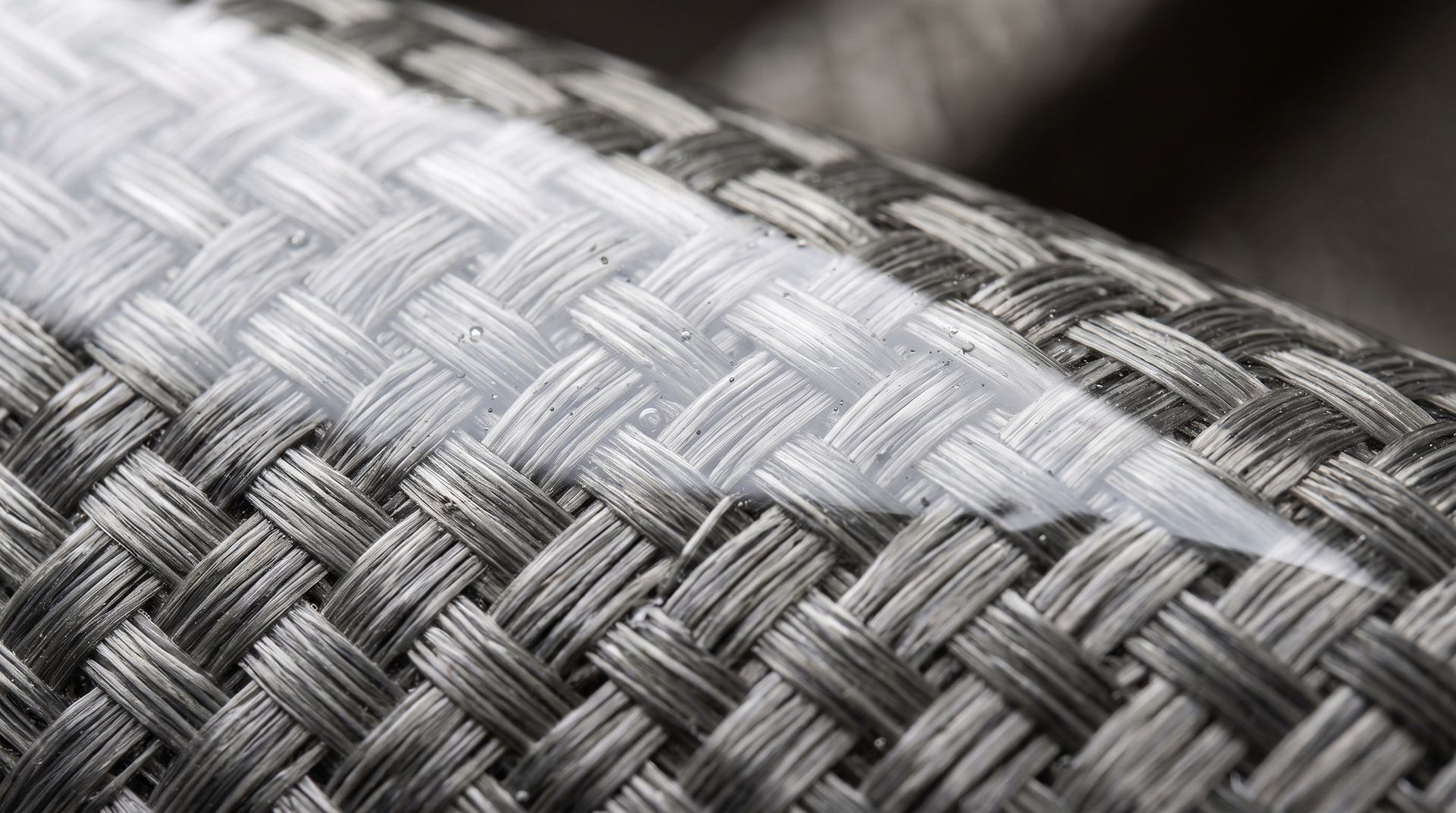
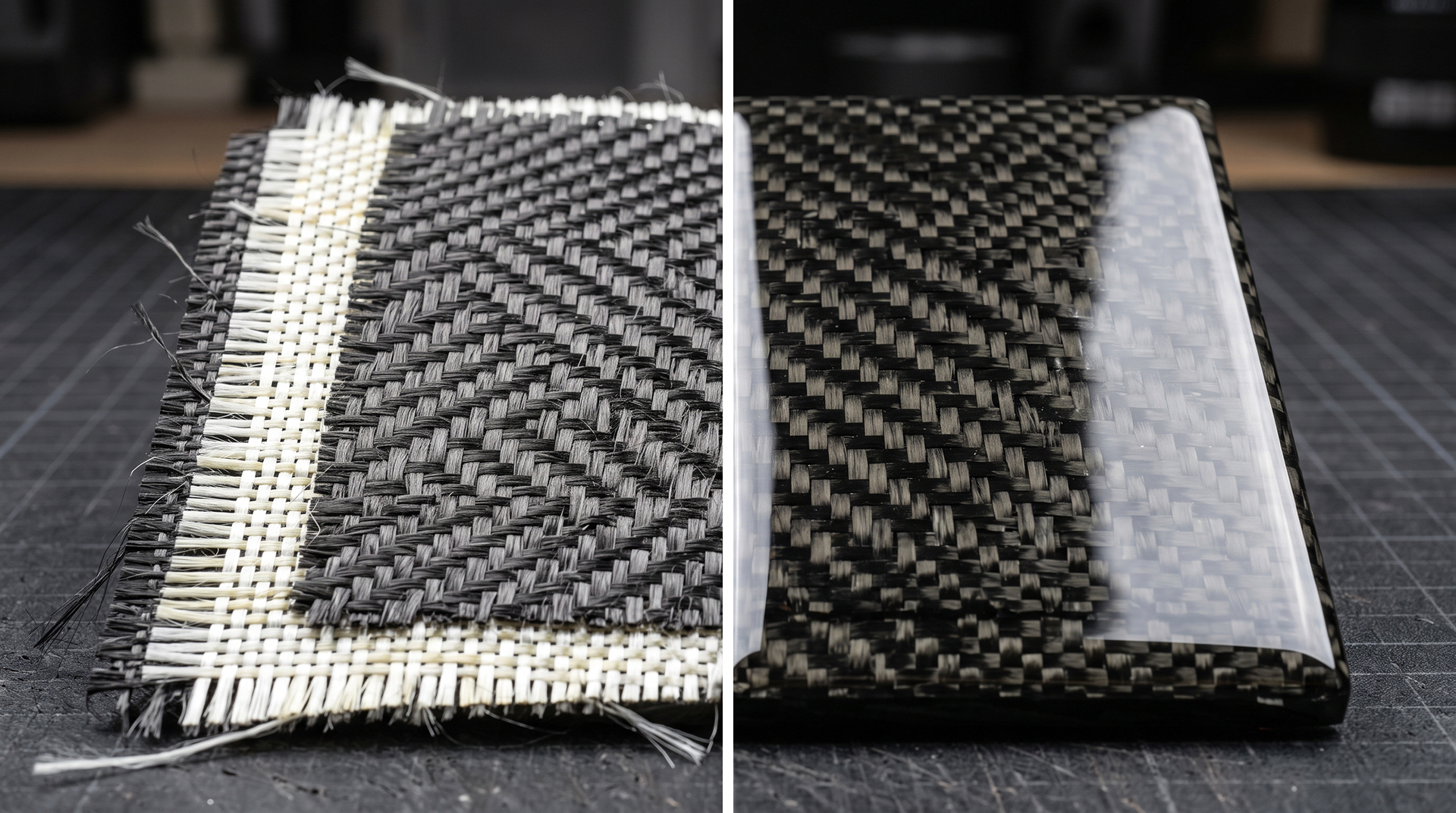
A composite hull is made of two things working together: fibre reinforcement (woven glass fibre, and carbon fibre where extra stiffness matters) and a resin that locks those fibres in place. The fibres carry the loads; the resin holds the geometry. Done well, the result is a material with a strength-to-weight ratio plastic simply cannot approach — which is why every serious sailing yacht, race boat, and performance craft in the world is built this way.
But “done well” is the operative phrase. The traditional method — hand layup, where resin is applied to fibre with brushes and rollers — depends entirely on the laminator’s hand. Too much resin adds dead weight; trapped air creates weak points. Good hand layup produces a good hull. Average hand layup produces an average one.
Why we infuse under vacuum
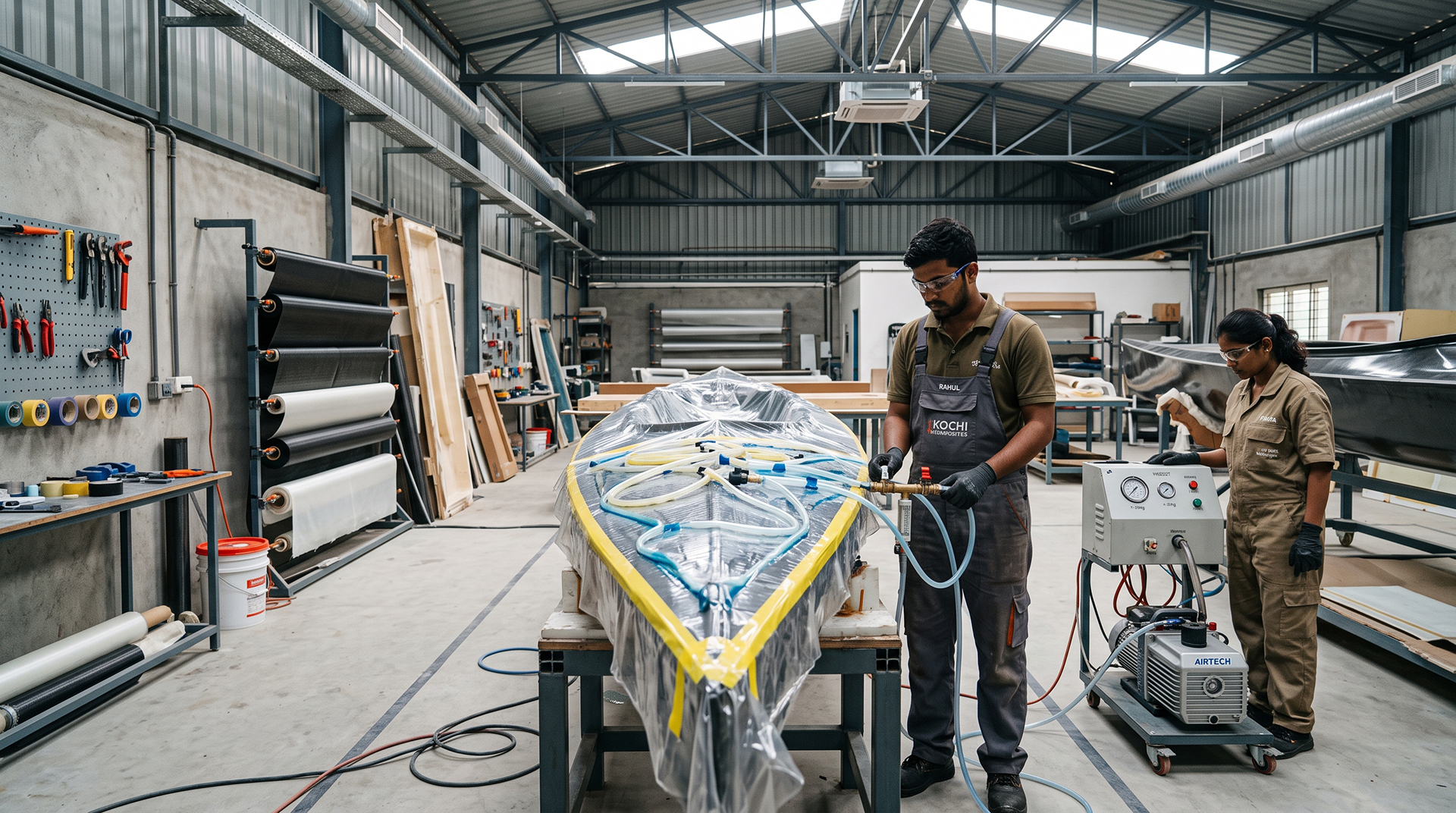
Vacuum infusion removes that variability. We place completely dry fibre into the mould — CNC-cut to precise patterns, stacked in an engineered sequence — seal it under a vacuum bag, and let atmospheric pressure draw the resin through the fibres in one controlled flow. Physics, not hands, determines the resin content.
The numbers tell the story: an infused laminate reaches over 55% fibre by volume, versus 35–40% for typical hand layup. More fibre and less resin means a hull that is lighter, stiffer, and stronger at the same time — and because the process is controlled, every hull from the same mould is virtually identical.
What you feel on the water
All of that engineering translates into four things an owner actually experiences. Weight: a composite hull is dramatically lighter, which you feel every time you lift it onto a roof rack or carry it to the water’s edge alone. Stiffness: a rigid hull transfers every paddle stroke into motion instead of flex — the boat feels alive and efficient. Longevity: gelcoated composite resists UV and fatigue for decades; these are craft you keep, repair, and hand down, not replace. And finish: a moulded, gelcoated surface has a depth and gloss that plastic cannot imitate — you’ll want to run your hand along it, and you should.
We refused to accept that a recreational craft deserves lesser construction than an offshore structure. Same physics. Same standard.
If you’d like to see exactly how a hull comes to life — from the plug and the mould to the moment the resin front advances under vacuum — we’ve documented the whole journey on our process page. It’s worth five minutes of your time before you choose any boat, ours or anyone else’s.

.jpeg)