-1.svg)
A Land of Water, Waiting
August 8, 2026
ARTICLE
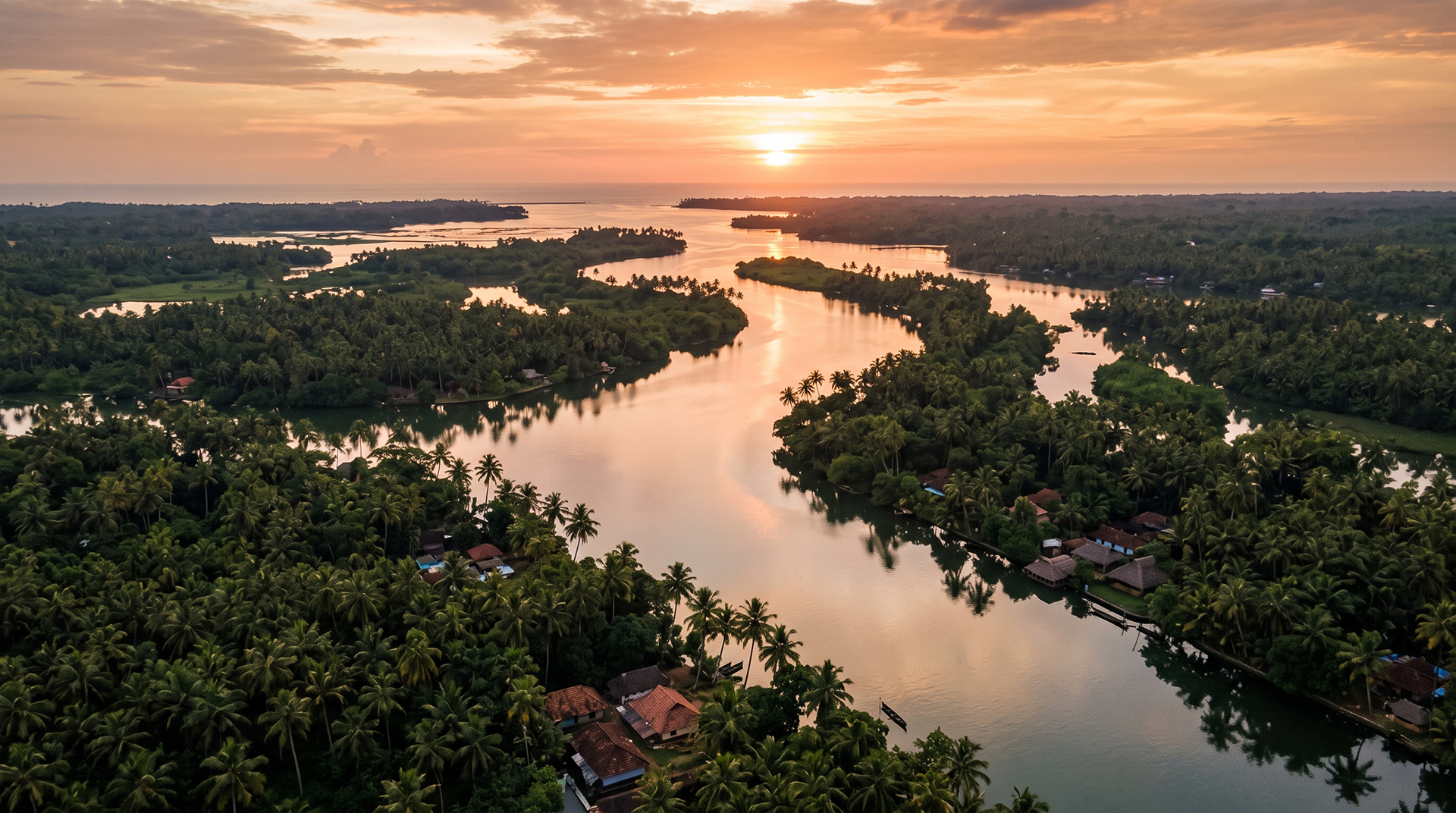
Stand on the shore of Vembanad Lake at dawn and look out. The water stretches to the horizon — part of a backwater network that covers nearly half of Kerala’s coastline, the largest of its kind in Asia. Add the state’s 44 rivers and 590 kilometres of coast, then zoom out to India as a whole: thousands of lakes and reservoirs, great rivers, two seas and an ocean.
Now count the leisure craft on that water. On most days, on most of it: none.
This is the strange truth about India and water. We live surrounded by it, we celebrate it in our festivals and films, we build our greatest cities beside it — and yet actually getting on it, for the simple joy of it, has never become a normal thing to do. Sailing is a rarity. Kayaking is a novelty. Marina berths in the entire country number in the hundreds, in a nation of 1.4 billion people.
The infrastructure never came — because the demand was never built
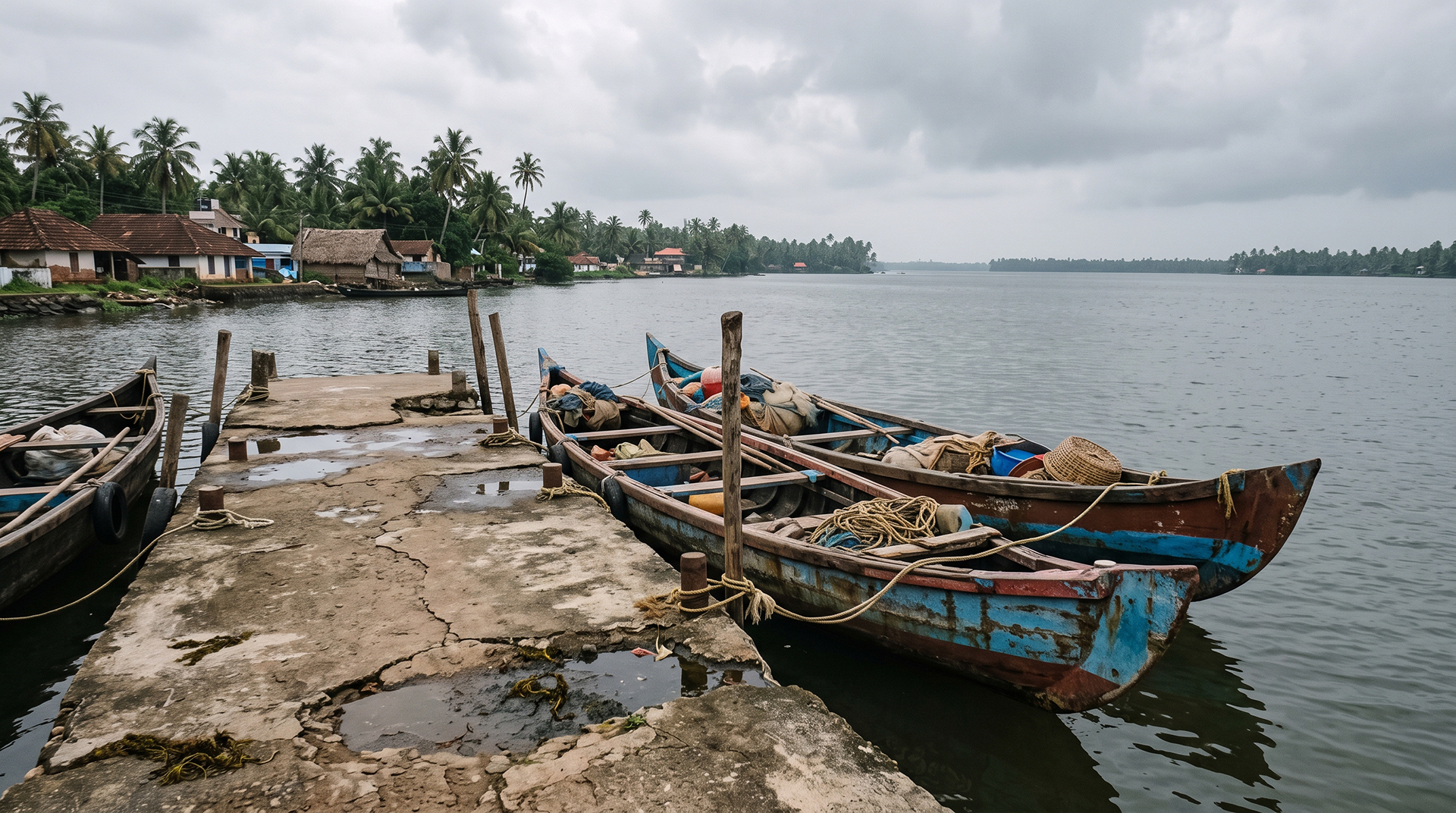
It’s a chicken-and-egg problem decades in the making. Without accessible, desirable, locally built craft, there was no demand for waterfront infrastructure. Without infrastructure, boat ownership stayed impractical. Without ownership, no domestic industry grew. And so one of the world’s most water-rich countries developed one of its thinnest marine leisure cultures.
But look at what just happened on land
A decade ago, cycling in India meant a commuter bicycle. Today, premium cycling is a thriving category with imported and Indian brands, weekend club rides in every city, and riders happily spending a month’s salary on carbon frames. The same arc played out in running, in trekking, in motorcycling, in fitness. In each case, the pattern was identical: a growing middle class, rising disposable income, an aspirational generation looking for identity and experience beyond possessions — and a handful of brands that arrived early and defined the category.
Water is next. The ingredients are all in place: the income, the aspiration, the Instagram-era hunger for experiences, and — uniquely in India’s case — an almost embarrassing abundance of the raw resource itself. What’s missing is what was missing in cycling in 2010: products worth aspiring to, made by a brand that takes the category seriously.
The market isn’t small. It’s early. Those are very different things.
Building for where India is going
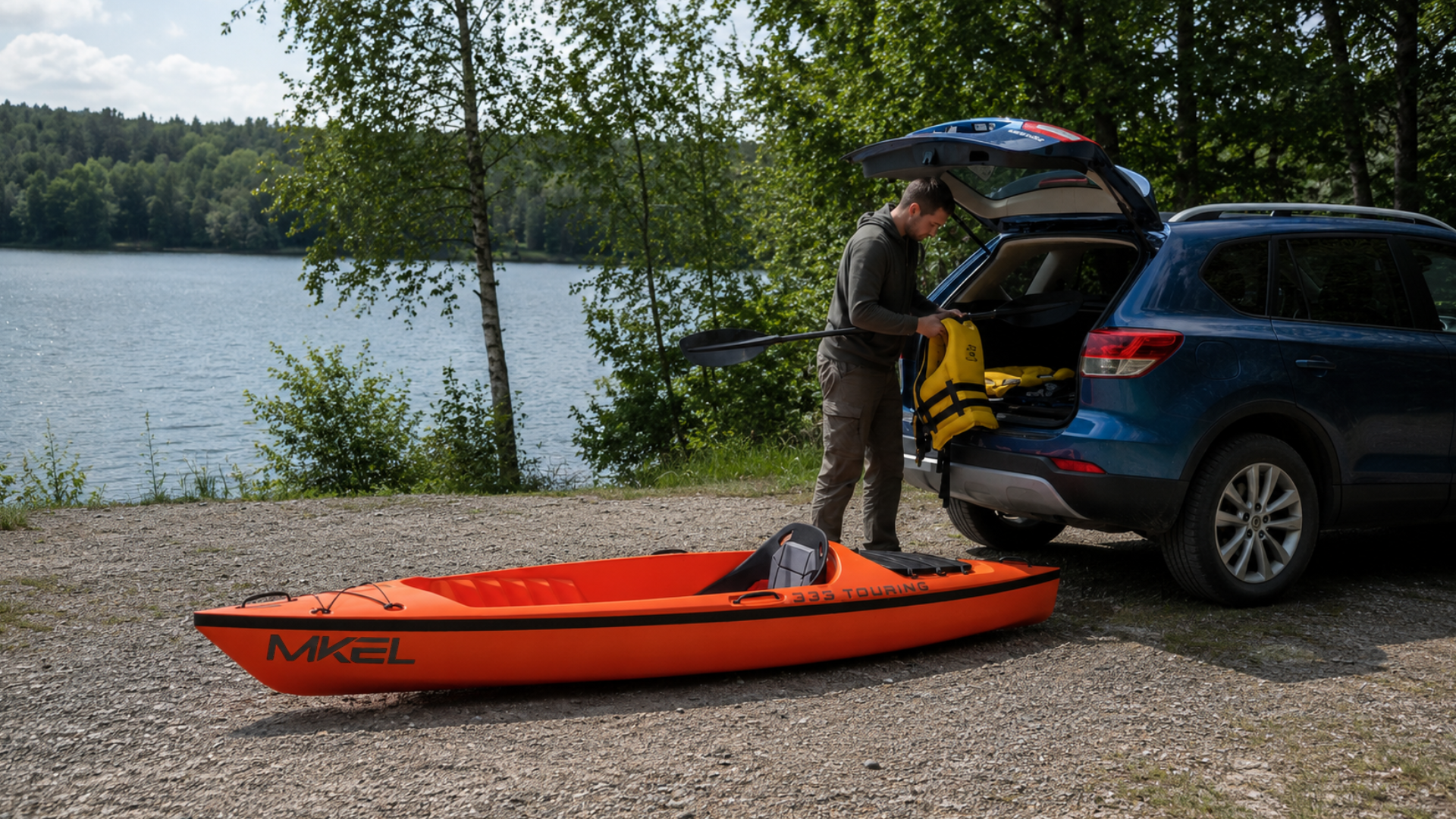
This is the bet behind MKEL. We are not building for the India of the past, where a boat meant livelihood or luxury beyond reach. We are building for the India that is arriving — one weekend paddler, one sailing course, one waterfront café at a time.
It starts with kayaks: the most accessible way onto the water, and an honest test of whether we can build world-class craft. It continues with tenders, work boats, and eventually sailing catamarans, as the market — and the infrastructure around it — matures with us.
Kerala’s waters have waited a long time. We don’t intend to make them wait much longer.
.jpeg)